In 2018, the National Circus School undertook a process to structure the recreational and preparatory training pathway in circus arts, in collaboration with the sector.
Following a study conducted by HUPR on field practices, three guides were developed in 2022. These tools help structure training, professionalize teaching, and ensure the quality of circus arts development in Quebec. They were created in collaboration with experts in circus arts education from various backgrounds, including circus schools and the broader education network.
Circus Arts Training Framework Plans
This framework provides common guidelines to support the development and oversight of the circus arts training pathway, across recreational, school-based, and preparatory streams.
It offers organizations and professionals in the field a clear reference tool to harmonize practices, ensure safe learning environments, and foster a shared understanding of standards and responsibilities within the sector.
National Certification Program for Circus Arts Instructors
This guide on circus arts instructor certification establishes a framework to recognize and structure professional teaching competencies in circus arts.
It outlines the criteria, requirements, and processes related to certification, while helping to ensure high standards of quality, safety, and pedagogical rigor within the circus arts training pathway.
*The document is only available in French.
Circus Training Space and Equipment Guide
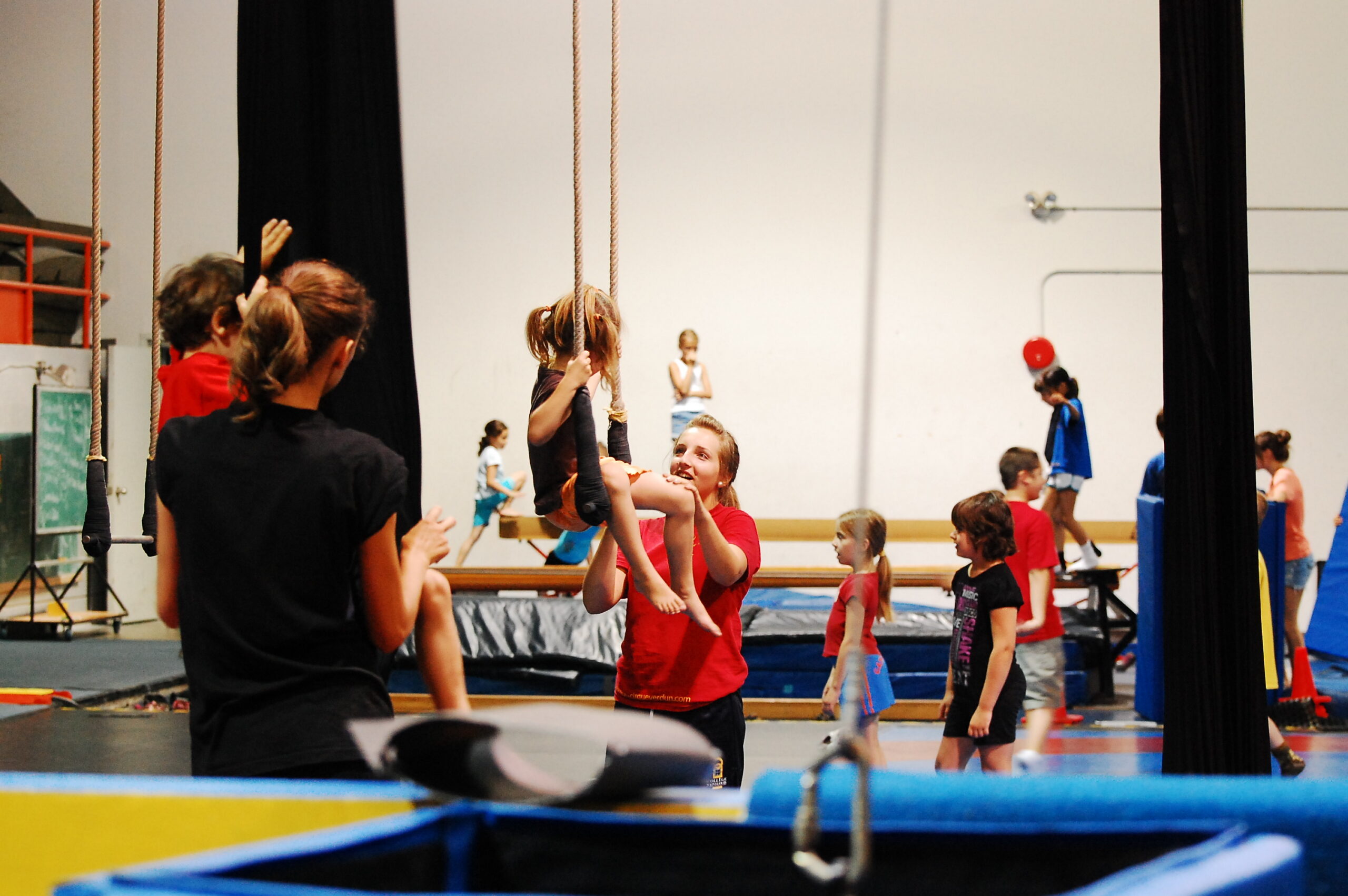
This guide is intended for project initiators and leaders, administrative staff, teaching staff, and technical teams involved in the development of training spaces. It serves as a tool to support the transformation of a wide range of venues (gymnasiums, big tops, commercial or industrial spaces, community halls, churches, basements, etc.) into safe environments for circus arts practice.